

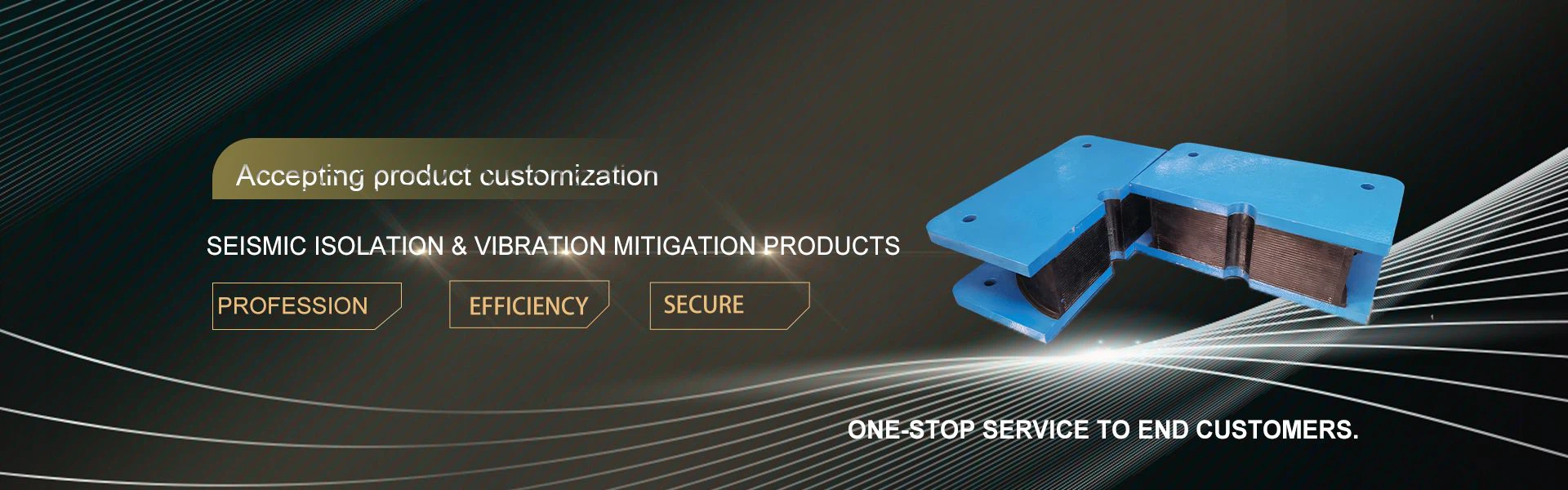
The materials of earthquake-resistant products are diverse, mainly including metal materials, non-metal materials and special materials.
Carbon steel: Carbon steel is one of the commonly used materials in earthquake-resistant accessories. It has good strength and toughness and can withstand large loads and deformations. After proper heat treatment, the earthquake resistance of carbon steel can be further improved.
Stainless steel: It has excellent corrosion resistance and durability, and is suitable for earthquake-resistant accessories used in humid or corrosive environments.
Aluminum alloy: Aluminum alloy is light but has high strength and good corrosion resistance. It is suitable for earthquake-resistant accessories in lightweight structures.
LY160 steel plate: It belongs to low-yield earthquake-resistant steel with excellent mechanical properties and processing properties. It is widely used in construction, bridges, ships and other fields.
Non-metal materials
Rubber: It has good elasticity and damping properties. It is often used to make shock-absorbing bearings, seismic isolators, etc. to absorb and dissipate earthquake energy.
High-strength ceramics and special alloys**: These materials usually have excellent physical and chemical properties and can meet the seismic requirements of special application scenarios.
